
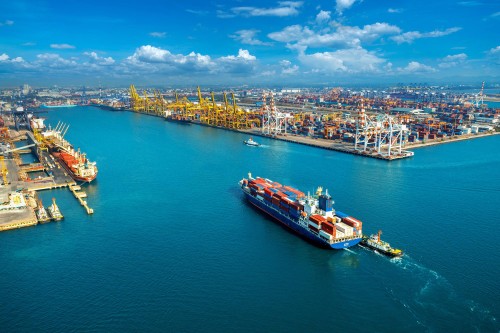
European Union officials are considering new measures to limit Chinese imports amid rising concerns about the bloc’s dependency on goods from China and the potential risks to European industries. The discussions have been prompted by an increase in lower-cost products from China, which officials fear could undermine domestic industries and contribute to economic decline in various parts of Europe.
EU commissioners are scrutinizing the impact of Chinese imports across multiple sectors, including manufacturing, agriculture, healthcare, technology, and defense. The term “China Shock 2.0” is being used by some policymakers to describe the recent surge in exports from China, which spans electric vehicles, industrial machinery, medical equipment, and consumer goods.
Although no immediate decisions are anticipated, these discussions aim to shape a cohesive European strategy before EU leaders meet for further talks. Among the potential measures being considered are import quotas, tariff-rate quotas, and other trade protections to support sectors facing intense competition from heavily subsidized or cheaper Chinese imports.
Economists have advised the EU to carefully balance protective actions with ongoing engagement with China, which remains a crucial trading partner and market for European businesses. Analysts emphasize that China’s focus on manufacturing growth and technological advancement could lead to escalating trade tensions with key export destinations like the EU.
With Europe being an essential market for Chinese exporters, particularly in the electric vehicle and advanced manufacturing sectors, any significant trade restrictions could provoke retaliatory measures from China, increasing the stakes for both parties. These discussions underscore the EU’s broader strategy to enhance economic resilience while navigating its intricate trade relationship with China.