
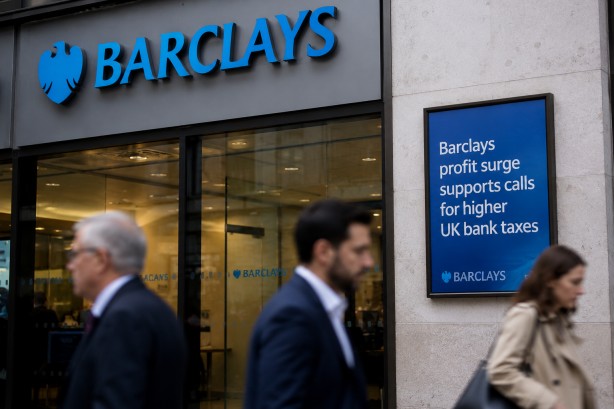
In a recent financial disclosure, Barclays announced a significant increase in its second-quarter pre-tax profits, reporting a 31% rise year-on-year to £3.3 billion. This strong performance brings its first-half profits to a total of £6.1 billion, an increase of 17%. These impressive figures have sparked a renewed debate in the UK over the taxation of major banks.
The Trades Union Congress (TUC) is calling on Prime Minister Andy Burnham’s government to impose higher taxes on banks, arguing that such robust profits indicate that lenders are in a position to contribute more towards mitigating the ongoing cost-of-living crisis. The TUC’s appeal reflects a broader sentiment that financial institutions should play a more active role in addressing economic disparities.
In addition to its profit surge, Barclays has revealed an increase in its half-year bonus pool, which has grown by nearly 30% to £1.3 billion. The bank has also committed to £1 billion in share buybacks and plans to distribute £800 million in dividends to its shareholders. These moves have further fueled the discussion on the financial responsibilities of banks during a time of economic uncertainty for many citizens.
In response to the calls for increased taxes, Barclays has defended its financial strategies by highlighting that UK banks are already subject to higher tax rates compared to many of their international counterparts. Executives from the bank have emphasized that the expansion of the bonus pool is a reflection of their higher earnings and have underscored the importance of a robust banking sector to support lending, investment, and economic growth.
As the debate continues, the focus remains on finding a balance between ensuring banks contribute fairly to the economy while maintaining the health and competitiveness of the financial sector. Barclays’ recent financial results serve as a catalyst for this ongoing discussion about the role of banking institutions in supporting broader economic stability and growth.